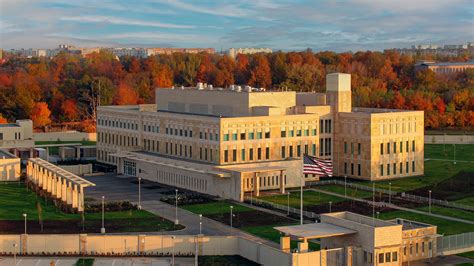
The U.S. Embassy in Ottawa has published a fact sheet accusing Canadian politicians of attempting to influence American politics, deepening diplomatic tensions over whether Ottawa’s anti-tariff campaign has crossed into election interference.
Published Wednesday under the title “Monitoring Canadian Activities in U.S. Politics,” the document was posted by the embassy on X and initially circulated by journalist Rupa Subramanya. It concludes with a stark warning: “Americans decide America’s elections.”
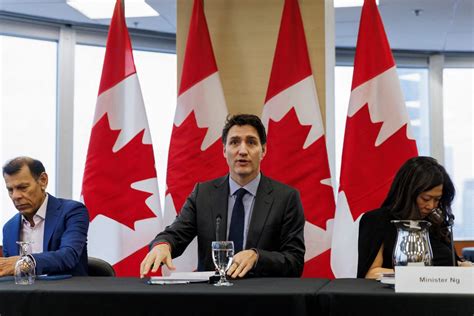
The fact sheet outlines specific examples against which Canadian officials have denied interference. It references Industry Minister Mélanie Joly describing pressure on businesses in Republican states during March 2025, efforts to target products for political influence in August 2026, and her September meetings with Democratic officials in Boston and Chicago ahead of the midterms. Additional entries include Ontario’s $75-million anti-tariff advertising campaign featuring Ronald Reagan clips, Premier Doug Ford’s call for retaliatory tariffs on states supporting the administration, and Liberal MP Anthony Housefather’s campaigning for a Democratic candidate in a Florida primary. The document lists these as grounds for concern but clarifies it does not constitute proof of election law violations.
The dispute predates this fact sheet. On October 14, officials reported that Ambassador Pete Hoekstra warned American authorities were “closely watching” Canadian politicians for signs of interference ahead of November’s midterms. He specifically cited Ontario’s advertising and Joly’s comments as areas of concern, stating Washington would respond if Canadian actions constituted interference.
Joly rejected the accusation, asserting Canada would never engage in election interference. She emphasized meeting both Democrats and Republicans while noting attracting investment was her purpose for American outreach.
A critical legal distinction underpins the conflict: Federal Election Commission guidance prohibits foreign nationals from making campaign contributions or expenditures but permits uncompensated services as long as they avoid involvement in decision-making. Whether specific actions meet these criteria depends on evidence of funding and an individual’s actual role.
For Ottawa, explaining how targeted efforts to pressure American states align with its stance against election interference remains a political challenge. For Washington, identifying concrete conduct and evidence to substantiate allegations presents a significant hurdle.