New York’s push for taxpayer-funded grocery stores is drawing fierce criticism for threatening small businesses and fuelling class and cultural conflict.
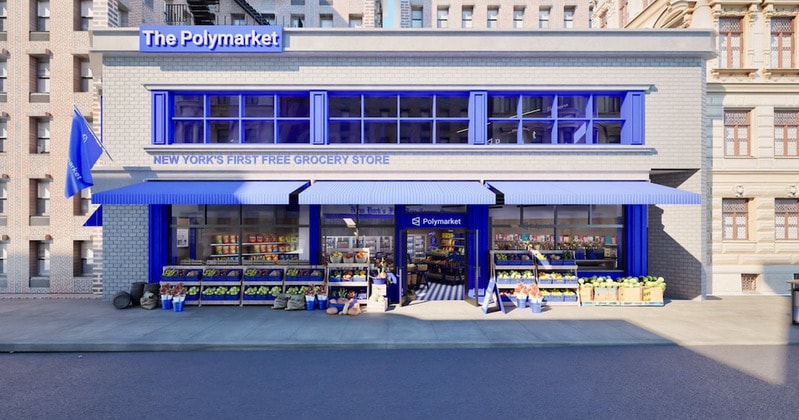
Mayor Zohran Mamdani’s office has floated a plan for subsidized grocery stores that would sell everything from steak to eggs at 30 percent below cost. This is not a discount but a permanent fire sale, funded by tens or hundreds of millions of dollars in taxpayer money. The scheme would be unlimited and available every day. Who would stop people from clearing shelves, reselling goods, or gaming the system? The city’s 10,000 small bodegas could buy cheap stock and flip it for profit. How can any legitimate business compete with that?
City officials claim there are limits—such as five steaks per person—but what happens when a family of four shops repeatedly or returns multiple times in a day? New Yorkers have historically outmaneuvered bureaucrats more effectively than the reverse. The real beneficiaries would be insiders, staff friends, and those willing to pay cash under the table. Whether called corruption or arbitrage, such schemes cannot defy the laws of supply and demand indefinitely. It is a money pit, and everyone knows it.
The bodega industry is not merely complaining; it is preparing to sue, arguing this constitutes textbook unfair competition bankrolled by taxpayers and designed to crush small businesses.
Here is the real kicker: none of these stores are scheduled to open for years, if at all. Delays and cancellations are more likely than their launch. Only five stores were planned—one in each borough—and even that seems optimistic. When they finally appear, they will almost certainly mirror the failed Kansas City prototype.
This raises an obvious question: why make taxpayer-funded grocery stores such a centerpiece of the political agenda when they are unlikely to materialize?
Because this was never primarily about groceries. The goal is not simply feeding eight million people. It is about psychology—changing what New York is, who belongs in it, and where it is headed.
New York built its identity on finance, entrepreneurship, and the belief that anyone could succeed through ambition and hard work. Mamdani’s rhetoric increasingly targets this identity.
Jordan Schachtel has cut through the polite analysis: the affluent class still sees this as a negotiation or shakedown. That is a total misreading. Mamdani does not want negotiation; he wants those who built and financed the city to leave. He is willing to make their lives difficult until they do.
Watch the pattern: A foreign policy speech condemning Benjamin Netanyahu in a city once considered the most pro-Israel, pro-Jewish community in North America—despite Mamdani having no foreign policy authority. A personal attack on Ken Griffin, a major philanthropist, followed by a published list of wealthy residents and their addresses for a proposed wealth tax. An 18-lawyer advisory committee for selecting judges that contains not a single Jew in a city where nearly half the lawyers are Jewish. These are not isolated incidents. Together, they signal a rejection of New York’s Wall Street-built identity, entrepreneurship, and open ambition.
Versions of this campaign are visible across Canada. Toronto is the most obvious example, with sustained pro-Hamas protests alongside violence against Jews and Jewish institutions. Even cities like Edmonton show similar currents.
The goal is not primarily policy outcomes but changing what people think their city and country are—and who belongs in them.
The grocery scheme is simply one visible front in this campaign. It echoes Yuri Bezmenov’s decades-old description of demoralization: convincing people that their city no longer belongs to them, that the rules they once trusted have been abandoned, and that resistance is futile. Then, those with the means to leave quietly do so.
In Canada, the new NDP leader, Avi Lewis, has proposed a similar initiative on a larger scale: taxpayer-funded government grocery stores costing approximately $300 million annually for fifty locations nationwide.
This is not a local dispute over food prices. It is one theater in a broader campaign to reshape how people think about cities like New York—and by extension countries like Canada. The stores may never open, but the message has already been delivered.